
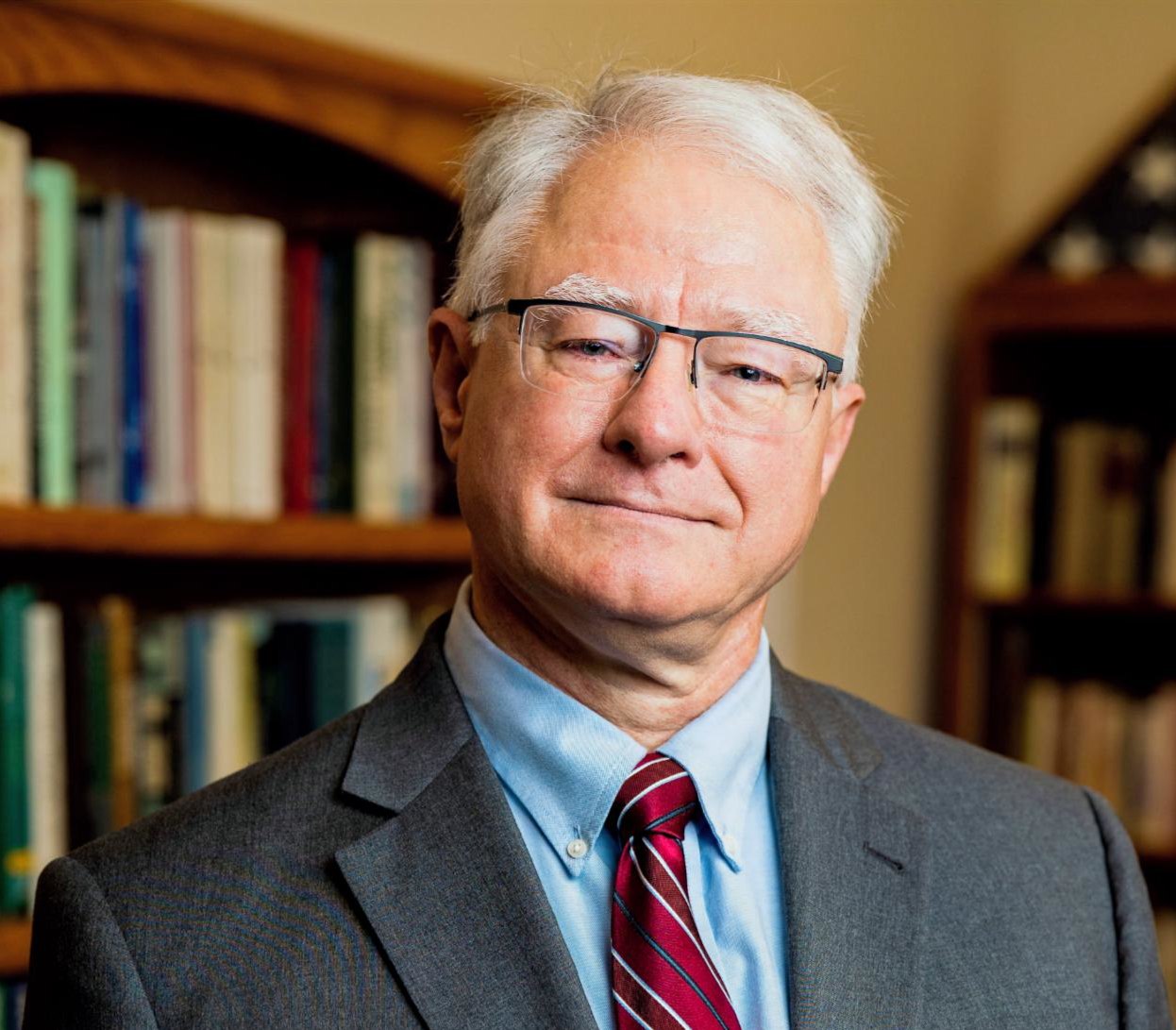

Why John?
My Values
I believe South Carolina’s representatives should reflect the values of our community.
As a Christian, I know we are called to help the poor and protect the weak.
We are taught to respect others and treat them as we would want to be treated (if we were in their shoes).
We are called to give people a hand up and NOT to self-righteously condemn them for the situation in which they find themselves.
We need to focus on helping the middle class and poor to improve their quality of life, and NOT on benefiting the wealthy and protecting special interests.
As an American, I believe true patriotism consists of working to protect and defend our Constitution, our personal freedoms, and our democratic institutions. I believe we practice our patriotism by serving our communities and finding ways to unite one another as a nation, and not by sowing seeds of fear, division, distrust, and violence that break us apart and undermine our democracy.
As a scientist and engineer, I value truth. Public policy needs to be based on shared values and supported by data, and not based on opinion or what is politically expedient.
We need to make sure that state programs are effective in achieving their goals, and if they are not, we need to find and implement changes that will make them effective.
As a teacher, I believe it is critically important for us to have a public education system that successfully prepares our children to find and pursue their dreams and to be responsible and knowledgeable members of our society.
Finally, I know the importance of respectfully listening to all affected parties to ensure a solution meets everyone’s needs.
We need to be responsive to people’s concerns and develop policies that address them.
Brief Bio
I earned a doctorate in biophysics, spent 23 years as a systems engineer that included five years as a senior technical and policy advisor to a high-level Pentagon official, and then four years working for a defense-related think tank. During this time, I also served as an adjunct professor of systems engineering in a graduate program, and then completed my career as the director of the University of Maryland’s systems engineering program.
As a scientist and engineer, I am a problem solver who knows how to do research, evaluate models and statistics, prioritize challenges, find potential solutions, evaluate the effectiveness of proposed solutions and programs, perform life cycle cost analysis, and perform root cause analyses. As a systems engineer, I am proficient in a wide variety of technical disciplines and have learned the importance of listening to and working with diverse groups of people to find the best solutions to complex problems. I am keenly aware of the need to make decisions based on objective data, not opinion.
Over the course of my career, I have learned and taught graduate courses on decision analysis, modeling and simulation, testing, and in many of the techniques used in artificial intelligence (AI). I also understand the potential benefits, shortfalls, and environmental impacts of AI.
Most recently, I led a group of Wofford undergraduates in a National Science Foundation (NSF) Established Program to Stimulate Competitive Research (EPSCOR) research project that developed a model for the Upstate electrical energy grid. In the course of this research, I have become familiar with the associated current and potential future technologies, how they work, and some of their benefits and shortcomings.
My training in biophysics provides the background required to understand a broad range of health and environmental issues and to evaluate associated proposed policies.
Unlike my opponent, I have the background and skills to independently identify and prioritize the state’s most pressing problems and to find and evaluate potential solutions to find those that will best meet the needs and interests of the people of South Carolina. As such, I think for myself and will not blindly follow the direction of party bosses.
My Background
Education
Ph.D., Physics, Program in Biophysics and Biochemistry: University of Notre Dame, 1982
M.S., Systems Engineering (C2 Concentration): George Mason University, 2007
B.A., Physics: Carleton College, 1976
Coursework toward an M.S. in Computational Science: George Mason University, 2008–2011
Coursework toward an M.S. in National Security Studies: California State University San Bernardino, 1991–1992
Community Service
- Presbyterian Church
- Member of Westminster Presbyterian Church in Greenville
- Ordained Elder
- Taught adult Sunday school courses for 25 years
- Participated in a number of mission trips to Mexico
- Member, Simpsonville Rotary Club
- Member, Simpsonville Chamber of Commerce
- Member, Conservation Voters of South Carolina
- Member, Sierra Club
- Member, NAACP
- 14 years as an adjunct lecturer of physics at Wofford College and adjunct professor of systems engineering and telecommunications at various University of Maryland campuses
Summary of Work Experience
- Five years as an adjunct lecturer of physics at Wofford College.
- Three years as an instructor in Furman’s OLLI Program
- Five years as the Director of the Systems Engineering Education Program at the University of Maryland, College Park.
- Four years as a research staff member at a defense think tank (Institute for Defense Analyses).
- 23 years as a lead systems engineer for Northrup Grumman and TRW, applying systems engineering-related skills to the solution of large-scale, complex, real-world problems of national significance. This included three years as the Deputy Director of TRW’s Center for Advanced Technology and five years as the senior technology and policy advisor to a high-level executive in the Department of Defense.
- Five years of teaching undergraduate physics at Muhlenberg College.