We Can Do Better
*By providing your cell phone number you consent to receive periodic campaign updates from John MacCarthy for SC House 27. Message & Data rates may apply.
Why I'm Running
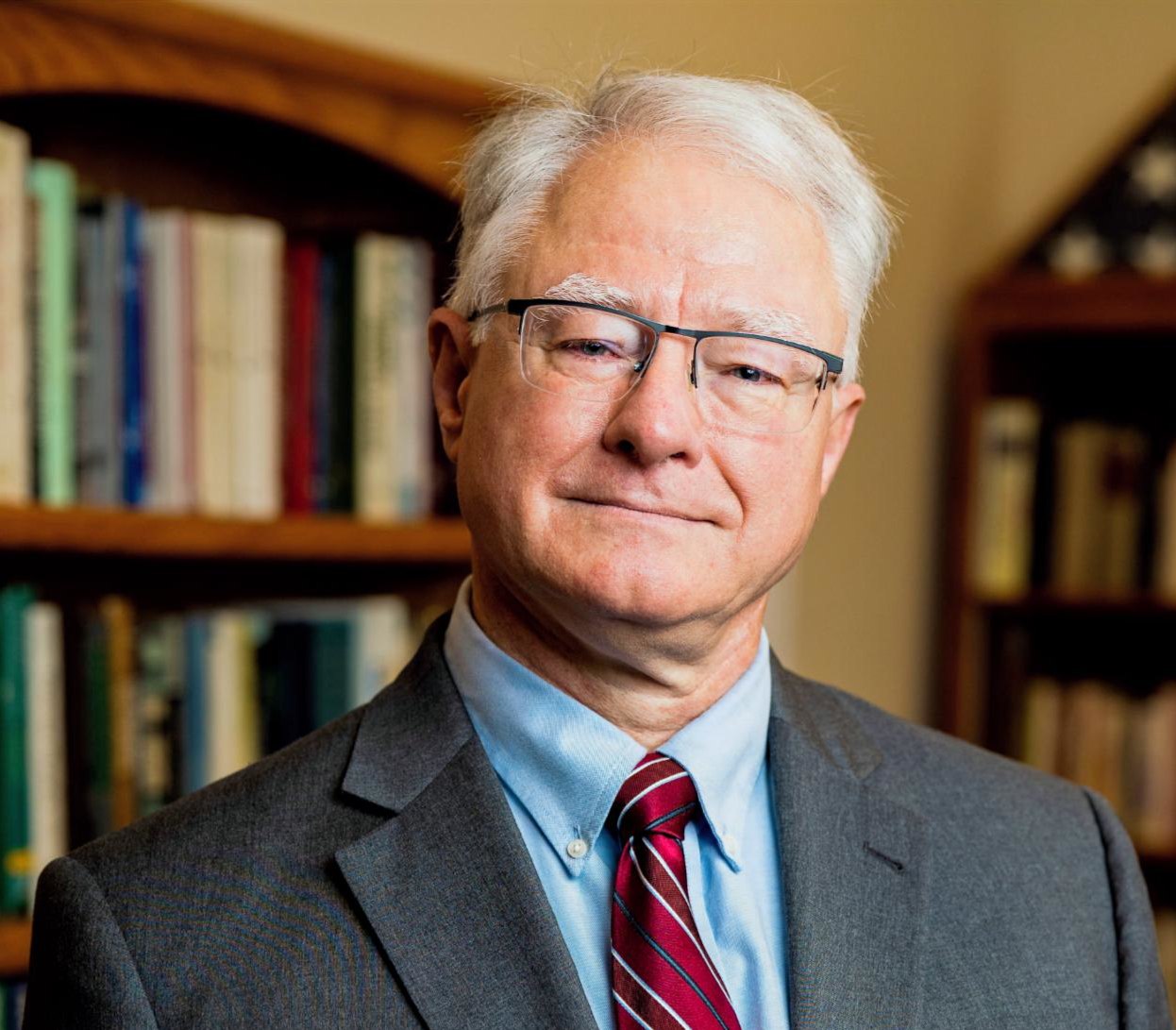
Meet Candidate
The people of District 27 deserve an ethical, knowledgeable, and independent state representative who shares their values, listens to their concerns, is able to find real solutions to the real challenges facing our district, and is committed to finding and acting on the truth. I am running because our current South Carolina representative is NOT addressing the real needs of our local community and state, and because, unlike him, I have the motivation, experience, and skills required to identify the major challenges facing us and to work with others to develop policies that will successfully address them.

Help Us Win
Support Our Campaign
We have to find low cost ways to fix the real-time problems our neighbors are facing right now. There’s no more time to debate–it’s time to act.
Where I Stand On
The Issues
Republicans have controlled both the executive and legislative branches of our state government for the last 23 years. If they had solutions to the challenges we currently face, they would have had plenty of time to address them. It is unclear whether they are unaware of these challenges or if they have decided to ignore them. To see some of these, click the "Some Challenges and Not So Fun Facts" button below. The following issues are based on these.
Roads and Energy
Affordability
Families

The Environment

Education
Other Legislative Priorities
We Can Do Better
-
Roads and Energy
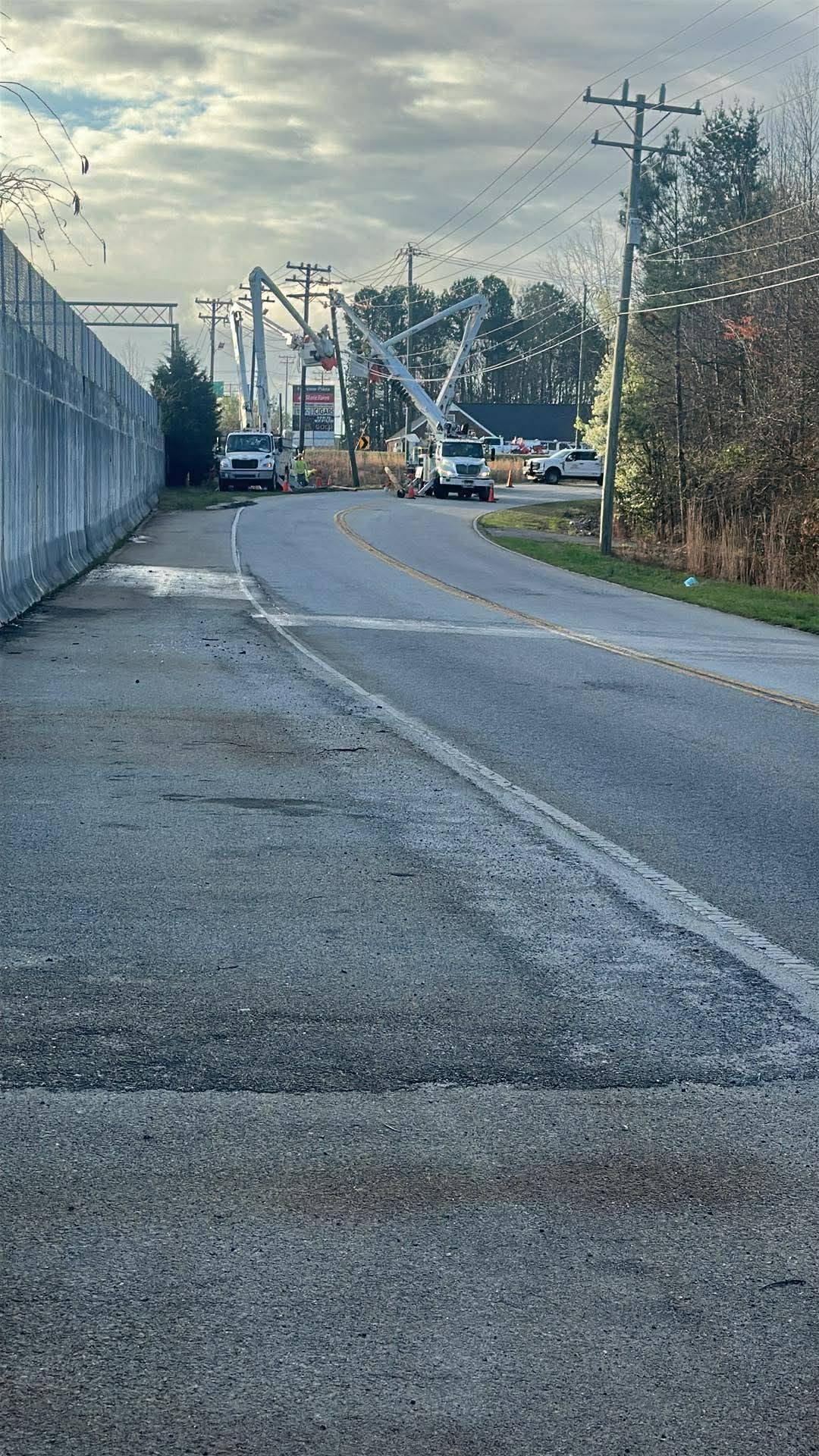
We need to fully fund road improvement in this state, and it needs to focus on the roads with the highest number of accidents and deaths.
We need to more fairly distribute energy costs between residential, commercial, and industrial users.
We need to identify the most effective ways to increase the capacity and cost-effectiveness of our electrical energy grid, and our measures of effectiveness need to include the associated social and environmental impacts. This will require an understanding of both existing and new energy-related technologies.
-
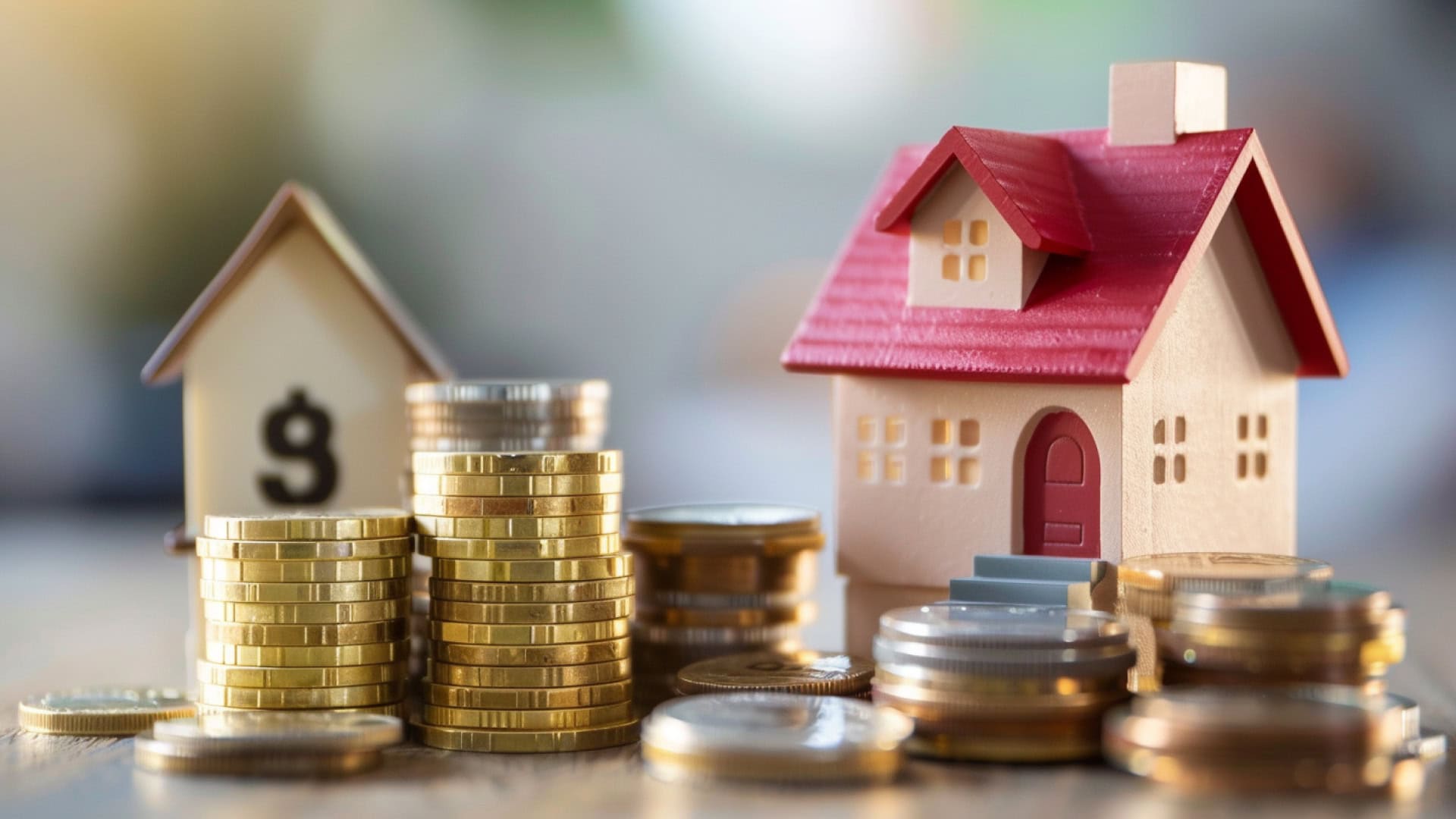
Affordability
Affordability affects everyone. We need to have policies that make housing, child care, healthcare, energy costs, and transportation available and affordable. This is particularly important for teachers, law enforcement, emergency responders, nurses and other healthcare professionals, young families, the elderly, and others.
-
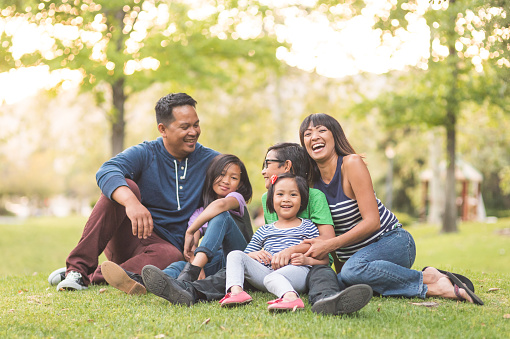
Families
We need to have policies that improve the lives of families and effectively address the principal challenges they face. This is especially true for single-parent families.
The problem of the availability and affordability of child care is one that affects both the middle class and the poor. We need to implement policies that effectively address this problem. Fully funding the SC ABC Quality Child Care Scholarship program would be a good start.
-
The Environment
We need to protect the quality of our air and water and of our forests and croplands. We need to prioritize environmental issues that affect the health and quality of life of all South Carolinians.
We need to implement policies that make sure that power plants and data centers do not adversely affect people or the environment. We also need to implement policies that reduce the presence of “forever chemicals” and microplastics and nanoplastics in our food and water.
-
Education
Public schools play an essential role in developing citizens that are able to work cooperatively with diverse groups of people to meet the social, technical challenges, economic, and environmental challenges that face our state and nation. It is clear to me that public school teachers are the most important professionals in our state and that they are underappreciated.
They have the education and experience to help us identify the best ways to improve public education. As such, I am committed to working to implement the recommendations in the 2026 Palmetto State Teachers Association’s FOCUS Policy Agenda.
-
Other Legislative Priorities
Public Safety
We need to provide law enforcement and other emergency responders the training and resources required to better meet the needs of their communities.
We also need legislation that does a better job of addressing violent crime, domestic violence, and human trafficking.
Public Health:
We need legislation that will encourage more primary care physicians and OBGYNs to come to our state and will provide adequate health care to rural areas.
Small Business
Small businesses are the cornerstone of our economy, especially here in Simpsonville, Mauldin, and Fountain Inn. We need to ensure that public policy provides a level playing field for all small businesses and that it does not unfairly support special interests.
We also need to ensure that our workforce is able to meet the needs of small businesses.
Young Adults and Seniors
We need to find and implement effective policies to help young adults find satisfying jobs.
We also need to find and implement effective policies to reduce costs associated with senior living.
Science-Based Policy and Accountability
We need to base public policy on shared values and supported by data and not on political opinion. I will research solutions and seek out and listen to the advice of experts in engineering and the physical, biological, and social sciences regarding the impact of proposed legislation on people, businesses, the environment, and our state’s economy.
We need to have periodic data-based reviews of how effectively current state programs are achieving their goals and whether the goals are still relevant. If the goals are still relevant, but existing programs are falling short of those goals, we need to look for changes in funding or policy that will make them effective.